45+ Ways to Use AI in Events: The Ultimate Guide to Interactive Experiences
Introduction
Artificial Intelligence has proven itself to be a practical tool in the present era, irrespective of the industry it is being used in. In the interactive event tech solutions industry, it can be used to assist organisers with end-to-end operational activities, data analysis and structured planning of events. Whether it's a corporate event, an exhibition or a product launch, AI in events can aid in creating simplified workflows for the organisers while creating interactive experiences for the audiences.
With the use of AI in hybrid event technology, the landscape seems to be evolving, from automating registrations to personalisation of email campaigns and building effective engagement communities post the event, everything is being transformed, for the better.
It is not just the planning and organising phase that is being led by AI, but also the interactive experiences themselves are using the latest technology to level up the events, a few of these are - AI photobooths, AR event activation, gamified event apps, live polling and smart lead capture funnels. With the help of AI, organisers can now deliver events with a long-lasting impression on their audiences while also maximising their ROI.
The Rise of AI in Events: Delivering Smarter Solutions
An event is planned in strategic phases, from core tasks to repetitive tasks, each segment is just as important. However, it can be manually challenging to work upon each and everything without any relief. This is where AI marks an entry, by becoming a reliable assistant to the operational teams, AI can be used to work on repetitive tasks, such as sending off personalised emails, studying and analysing data to generate accurate summaries and providing valuable insights, gathering recommendations and feedback from attendees to build better interactive experiences for them.
It helps minimise human staff in tasks which can be delegated and also allows the team to focus on core and foundational activities which require more energy. AI has proven itself to be an advantageous tool, from assisting in smoother planning to improving personalisation for attendees while ensuring everything aligns with the event's budget, it seems to excel in everything.
And it doesn't end here, it can also be used for smarter networking opportunities, automating content creation with social media-ready content banks, allowing better ways to connect with the audience beyond the event by following up and building future lead capture opportunities.
It must be taken into account that AI in events isn't meant to replace existing event teams, but rather strengthen them through effective assistance, allowing them to focus on creative and thought-intensive activities rather than repetitive tasks. Together with the team, it can help deliver unforgettable interactive experiences to the audience.
45+ Ways to Use AI in events to Create More Interactive Experiences
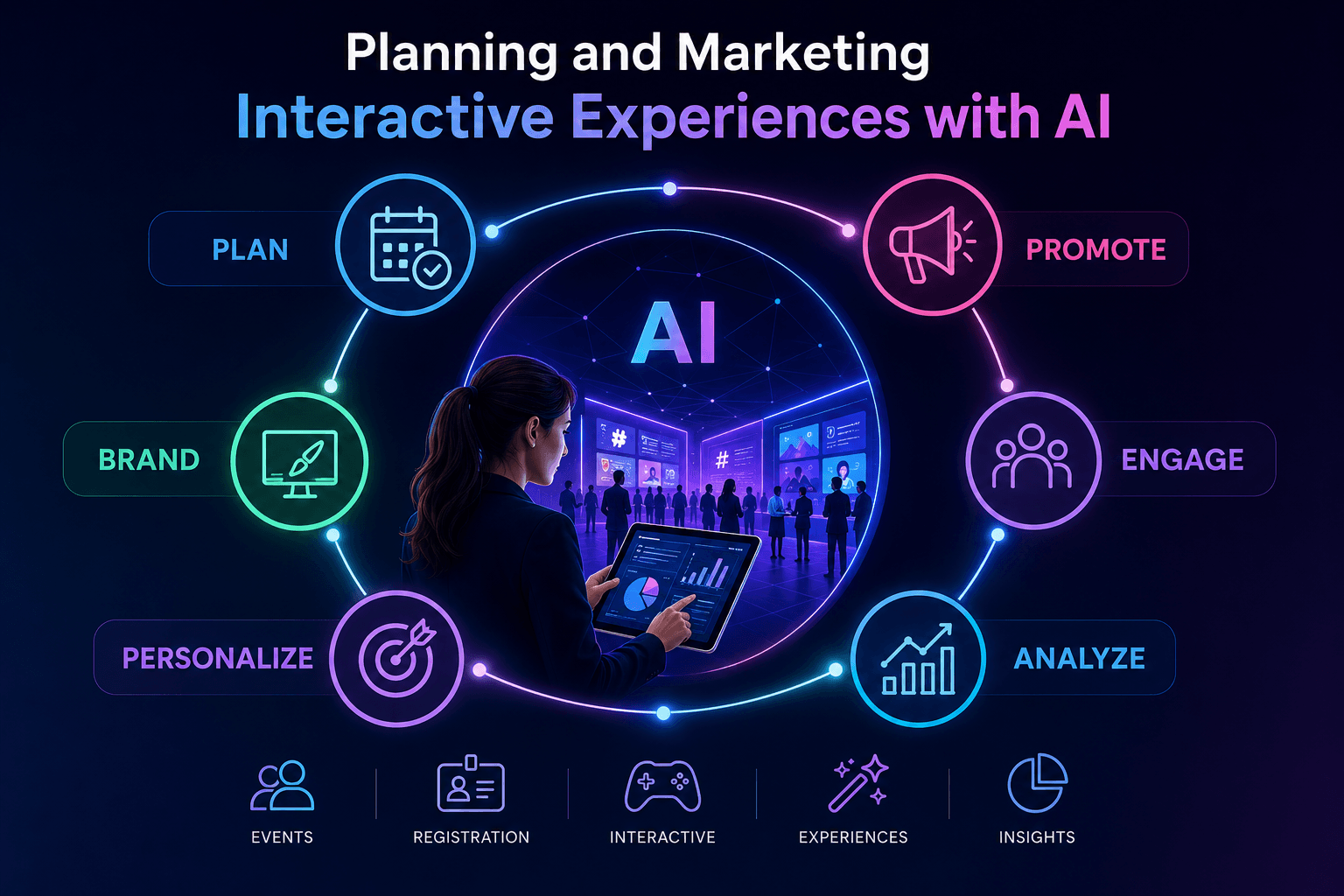
Phase 1: Planning and Marketing Interactive Experiences with AI
Planning happens way before an event comes to life, and it involves actively researching through the market, working through strategies to target the right audience and maximise overall results. This is an intensive and tedious process and AI can certainly help organisers to read through and process data efficiently, aiding in accurate decision-making to plan interactive experiences.
1. Conceptual Storytelling and Themes
Based on the data of the target audience as well as the market research outlining ongoing trends, AI can help organisers to enumerate interesting and conceptual ideas for the events which can help to plan memorable events for the audience.
2. Budget Optimisation and Allocation
AI is great at reading and processing through data in a structured manner. It may be used to assist organisers in optimising budget and suggesting other costs, and create organised budget sheets, which the authorities can use as a reference point and work further on the same.
3. Comparative Analysis and Evaluation
For an interactive event tech solutions company, it is important to have a comprehensive list of venues with all the data such as booking price, availability, technological accommodations, location and more. AI can prove to be useful in such a scenario where it can generate a useful comparative analysis at a glance which can help the authorities to make the right decision.
4. AI-Driven Session Scheduling
Sessions can be scheduled through automation based on the availability of the speakers as well as the demand of attendees to avoid clash and wastage, resulting in effective management of the activities within the main event sphere.
5. Intelligent Ticket Pricing Predictions
AI can predict fluctuations in prices based on ongoing trends, active demand and season. This can help organisers work through a dynamic system which can adjust prices based on these key factors, resulting in maximization of revenue.
6. Analysing Vendor Agreements
Through an intelligent reading of vendor agreement, AI can help organisers identify a number of things which can affect decision-making, such as clauses pertaining to hidden fee structures and other unfavorable factors which might create issues further down the line.
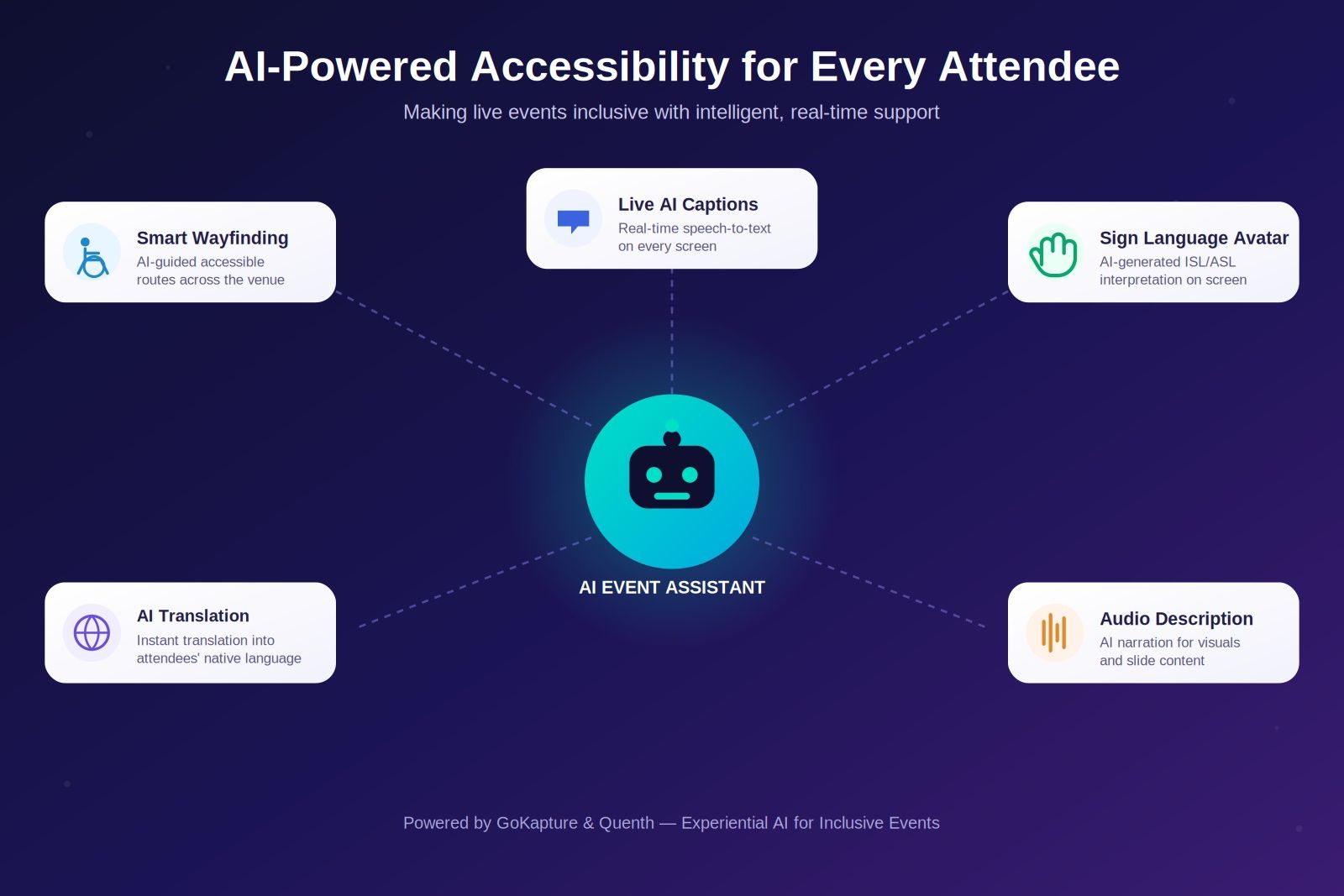
7. Encouraging Accessibility for Audience
Making an event accessible for attendees plays a huge role in its success, however manually checking through each venue, event schedules and ensuring compliance of all guidelines with regards to accessibility standards can be quite hectic and AI can certainly help evaluate the same.
8. Personalised Promotional Campaigns
Campaigns are more likely to perform better when they start sounding less like promotions and more like personalised invites. However, it isn't easy to personalise content for large-scale events and AI can help generate different versions of emails customised to the type of attendees, so whether the recipient is a student or an executive, AI can help add a little personal touch.
9. Customised No-Code Landing Pages
Websites add a premium and more trustworthy angle to a brand or an event, and AI has advanced enough to generate web pages which require no understanding of coding. This is something which the organisers can use to create customised landing pages for their events including the schedule of activities, FAQs and booking-related details for their target audience.
10. Intelligent A/B Testing Campaigns
Ad creatives can be replicated using a basic ad copy and design language for various platforms such as Google, Meta and others. AI can help generate the same and this can prove to be quite resourceful for A/B Testing in the initial phase of marketing an event online and analysing what's performing better.
11. Social Media Ready Creatives
A resourceful way to make use of AI in promotional activities is to generate graphics and captions which can be easily shared on social media. These can be generated for event schedules, speakers as well as for important announcements.
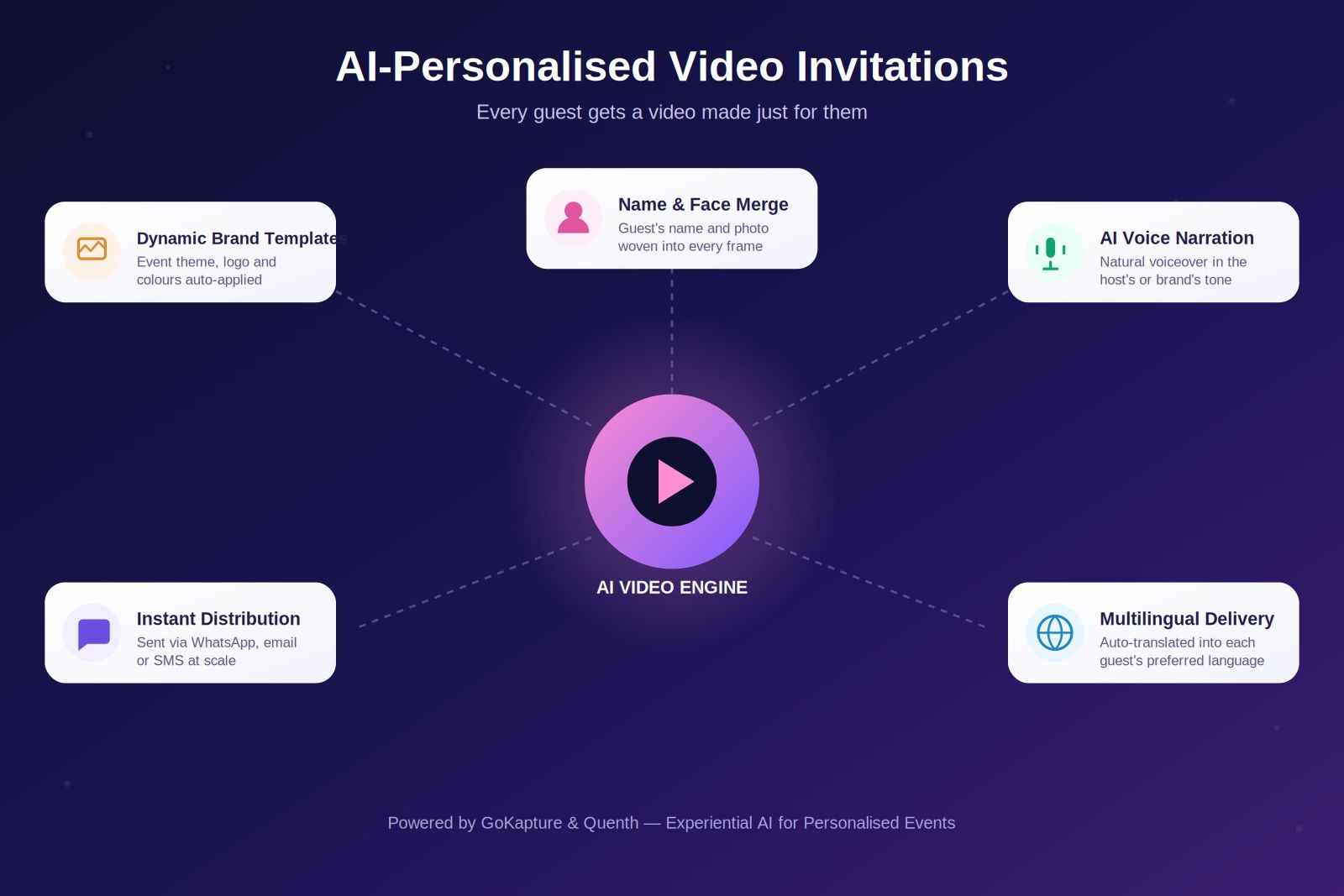
12. Personalised Video Invitations
AI generations aren't limited to images, but can also be used for videos. A good way to use the same is to add a layer of personalisation to videos which can be used to invite prospects by addressing their name and some words of appreciation.
13. SEO-Optimized Event Content
Digital marketing is a vast universe of tools, whether it's paid marketing such as Meta or Google ads, or organic marketing methods such as SEO, AI can be used to assist in both. While it's not recommended to write articles from scratch using AI, one can feed their articles and review the same and get suggestions from AI to make the content further optimised for SEO, which can help to bring in organic traffic before the commencement of the actual event.
Phase 2: Registration and Onboarding Made Easy with AI
The success of an interactive experience begins even before the event is live, and the first step is none other than the registration phase, which can be made widely accessible and much more accurate using AI. An event registration engine, such as that of Quenth, integrates several AI-assisted features for optimal experiences. It won't just make the process smoother and faster, but can also aid in creating a personalised experience for the users, encouraging them to be a part of the event. The event registration engine by Quenth integrates
14. Interactive Registration Process
AI-powered interactive bots can be used instead of traditional registration forms, which can guide interested users through the onboarding process while also making it a fun and memorable way for them to be a part of the event.
15. Organised Data Handling System
Large-scale events call for mass registrations, which means reading through all the data can be a hassle for the team in charge. To speed up the process, they can make use of AI which can help identify fake entries, remove duplicate ones, autocorrect grammar and perform a standard check to ensure all data is well formatted and structured.
16. Lead Capture and Qualification
AI can sift through data and identify high-quality prospects based on important information such as their job positions, work background and industries, size of company and networking reputation in marketing. This can prove to be a great asset for teams and companies to build a strong datasheet of potential leads.
17. Inclusive Dining Preferences
Automated categorisation of dietary preferences and restrictions can assist vendors and venues to work effectively towards providing an inclusive environment for the attendees, creating well coordinated interactive experiences.
18. Seamless Biometric Check-Ins
When facial recognition check-ins are integrated with interactive event tech solutions, a smooth, friction-free experience is created for attendees where venue entry is sped up. This enables a seamless check-in system which is much more secure with reduced queues.
19. Personalised Welcome
It is nearly impossible to manually customise every welcome email with specific event schedules and sessions based on the attendee’s preferences and event type. This is where AI comes into the picture, delivering tailored emails to welcome each attendee while creating relevant interactions throughout the hybrid event technology experience as well as offline.
20. Risk & Fraud Monitoring
AI-powered risk detection can identify potential threats such as suspicious activity, unauthorised access and ticket purchases and payment activity before issuing tickets. This can help create a secure ecosystem for authorities during registration while ensuring more reliable data, enabling betterlead capture.
Phase 3: Personalised Interactive Experiences with AI
From personalised content to recommendations, AI enables attendees to experience an event journey tailored to meet their interests and preferences, creating meaningful connections with the brand.
21. Intelligent Session Discovery
Attendees can be guided towards the right content that caters to their interests with the help of AI, which can recommend relevant activities and sessions throughout the schedule of the event based on data collected from the users. At the same time, it may also provide valuable insights to the authorities, helping them with better lead capture.
22. Smart Matchmaking with AI
AI-powered matching can connect sponsors and investors, buyers and sellers as well as attendees with speakers based on their interests. It can create meaningful interactions, not just during the sessions but also across hybrid event technology experiences.
23. AI-Powered Attendants
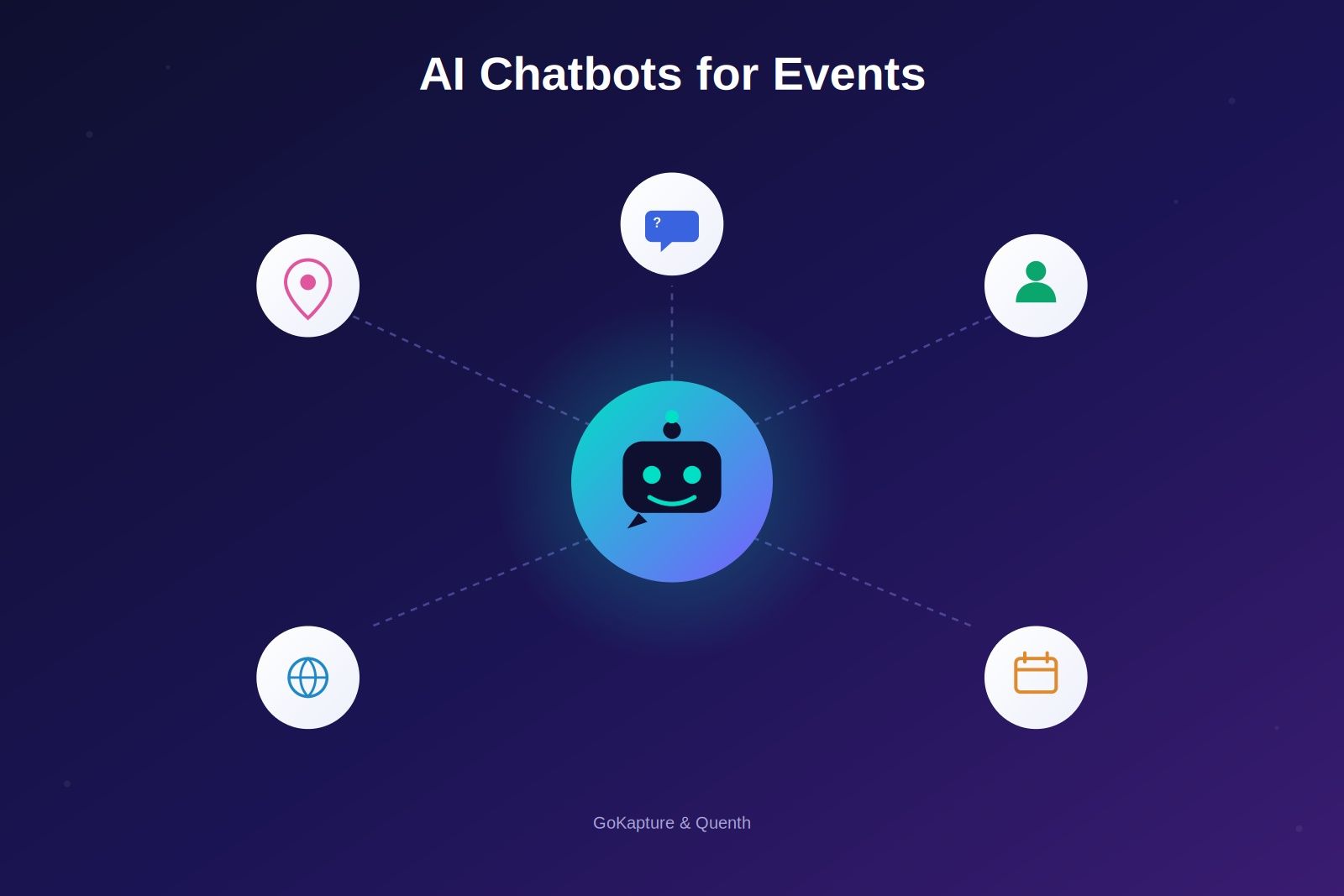
The customer support department cannot be available instantly for each and every attendee, this is where AI-powered chatbots can prove to be quite resourceful since they can provide instant answers to basic information such as event schedule, venue details, speakers and sessions, delivering support without relying completely on human staff.
24. Custom Agenda Builder
AI can be trained to build personalised event agenda based on user data outlining their preferences and interests. This way, each attendee can receive a schedule tailored to their interests and requirements, creating a warm experience for them.
25. Smart Networking Communities
With the data fed to AI, it can build communities catering to several interest groups, aligning their background, industries and overall goals and then allotting them relevant sessions. This can help curate meaningful interactions and connect like-minded people, improving engagement rate and lead capture.
26. Real-Time Event Alerts
AI notification sequence ensures that users receive real-time notifications with important information related to the event sessions and relevant opportunities, without spamming them. Organisers can use AI-powered services to deliver location-specific notifications timely.
27. Live Event Schedule
AI makes navigating hybrid event technology and events effective by keeping attendees updated about the schedule in real time while also adjusting personalised schedules when session timings are changed or speakers are unavailable.
28. Gamified Interactive Experiences
AI can add an interesting edge to an event through innovative challenges, interactive activities and AI photobooths and videobooths, making the event more fun and boosting participation and engagement levels. Through the integration of gamified event apps and elements, AI can turn the audience into active participants, enabling connection building and lead capture.
Phase 4: Hybrid Event Technology Made Smarter with AI
On-site operations can be optimised with the assistance of AI to create seamless interactive experiences for the audience. From crowd management to monitoring, AI helps to create effective and efficient operations for events.
29. Automated Attendee Management
Through real-time monitoring across halls and session areas, AI can identify high footfall areas and redirect attendees to other session areas to create a seamless event experience while also delivering the data to the authorities in order to manage the crowd in an effective manner.
30. Optimised Floor Planning
After analysing session crowds based on popularity and movement, AI can recommend appropriate layouts within the venue to position stages and networking zones and enable an effective navigation system within the venue. It can also assess high engagement areas, thus providing accurate data for potential lead capture.
31. Live Captions & Translation
AI-powered live translation and subtitle features allow events to let go of language barriers and become more accessible to audiences across the globe. Integrating the same with hybrid event technology allows both offline and virtual audiences to participate in interactive experiences.
32. AI-Powered Query Moderation
Automated query moderation can help filter out and remove duplicate questions while clubbing together similar ones to provide relevant questions to the speakers for answering in their sessions. This eases event management while creating interactive experiences for the audience.
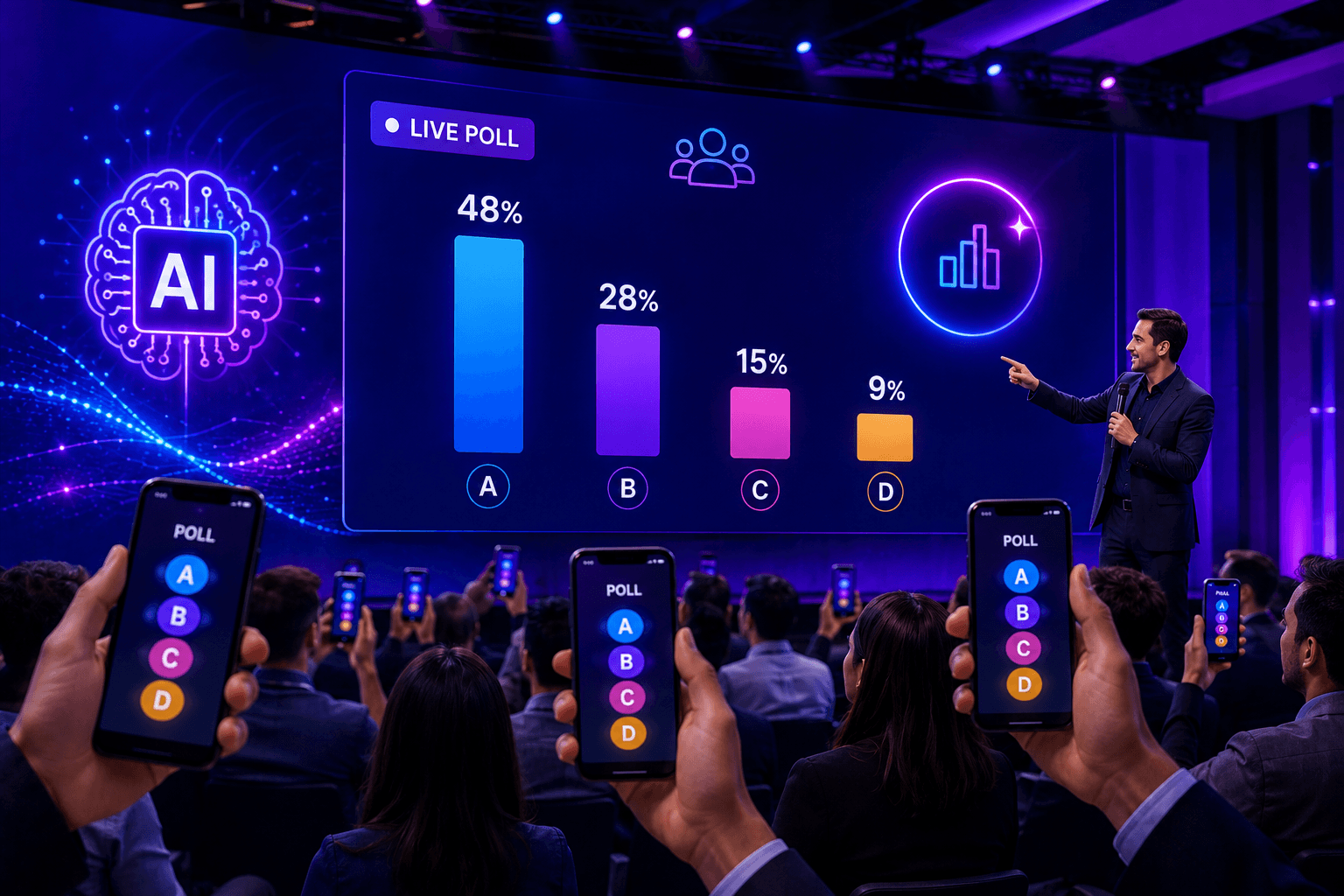
33. Interactive Live Polling
Based upon ongoing sessions and interactions, AI can help in analysis of the topics as well as audience response to generate live polling rounds, making up for a much more interactive session with an increased engagement rate while also improving lead capture.
34. Capacity Management
AI can help analyse halls and networking areas to understand occupancy in real time and alert respective teams in time, enabling them to effectively redirect the audience to available zones, improving overall flow and footfall of the event.
35. Predictive Catering
Using registration data to understand the dietary preferences of attendees, AI can forecast requirements for food and beverages and assess the stock in real time, helping caterers prepare accurately while also minimising wastage. These predictions are based on accurate data and can help the management to accommodate requirements better.
36. AI- Assisted Videography
AI-assisted videography can create a professional production experience through auto detection of movements of the speakers to effectively switch between angles while also reducing traditional production cost. This in turn can provide a strong hybrid event technology experience.
Phase 5: AI-Powered Exhibitor & Sponsor Engagement
AI can enable organisers to capture better leads through the analysis of attendee behavior and measurement of event performance. From content management to event analytics, AI turns an event into metrics, allowing organisers to measure outcomes in numbers.
37. Automated Speaker Content Workflow
Event assets such as decks and session scripts can be curated in a collection and organised into automated workflows by AI, which can identify gaps and present suggestions to the speakers to work through accurate content for their sessions, ensuring better interactive experiences for the audience as well.
38. AI-Powered Deck Review
Presentation decks can be analysed and formatted in standard and consistent layouts by AI which can also read through outdated data and other issues such as broken URLs and inform the speakers and content team to identify the same and fix everything before presenting live.
39. AI-Powered Lead Capture
Through the analysis of essential data related to attendee interactions, such as footfall across booths, participation in sessions and gamified experiences such as AI photobooths, AI can evaluate and rank potentials and filter high quality prospects based on purchase intent. This helps brands and sponsors focus on leads which are highly likely to convert, thus enabling a better lead capture system.
40. Automated Lead Nurturing
AI can generate tailored email campaigns and follow-up content to create meaningful interactions with the attendees based on their preferences and past event interactions and nurture the leads beyond the duration of the event through effective follow-up conversations.
41. Sponsorship ROI Insights
Visibility and engagement levels of the sponsors across the event screens, sessions, interactive activities and social media platforms can be measured and consolidated by AI which can then transform the same into actionable analysis. This can serve as a good starting point to study ROI in detail and also understand the lead capture metrics.
Phase 6: Extending Event Impact with AI
The impact of an event can last beyond the event, all thanks to AI which can transform event data and insights into personalised follow-up campaigns, building a community which can help organise and nurture leads further down the line. Events end, connections don't have to, and AI makes sure of that.
42. Sessions Summarised with Automation
Presentations, sessions and networking activities can be transformed into multiple content formats which are easy to share across social media platforms, blogs or even a series of newsletters. An event can be adapted into an endless source of content bank, extending its life and allowing attendees to relive the interactive experiences.
43. AI-Powered Video Highlights
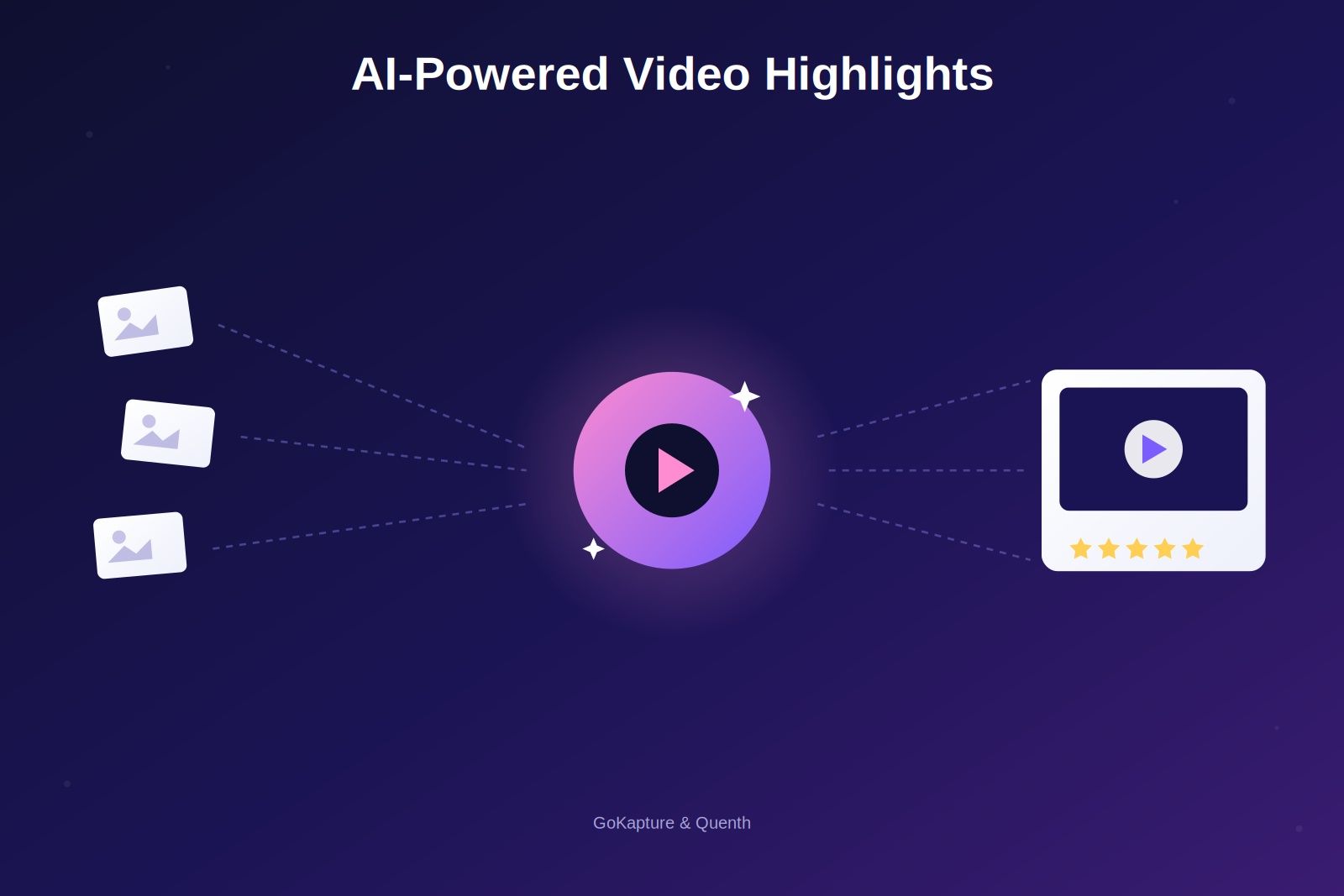
AI is a smart editor, whether it comes to written content or visual media, it is a know-it-all. From identifying the most memorable moments from sessions and activities, to transforming the same into Instagram reels and YouTube shorts, it can generate social media-ready content which can keep audiences connected and encourage more engagement across various platforms.
44. Personalized Event Insights
Individual events can be briefly encapsulated into personalised summaries on the basis of active participation, sessions attended and other interactions. This data can then be used for further understanding lead capture performance and developing lead nurturing strategies such as dropping recommendations and allowing attendees to be in touch for future events.
45. Auto Analysis of Feedback
AI can help organise unstructured feedback into a comprehensible format which can then be used to identify user sentiments and scope for improvement, helping users to build actionable insights for improving audience experience for future events.
46. AI-Powered Content Repurposing
AI can help event organisers and sponsors to build meaningful relationships with the audience while building active online communities. This can be done through repurposing existing content for social media and blogs which can keep the audience engaged from a long period of time while creating opportunities for lead capture.
Conclusion
Artificial Intelligence is empowering manual event teams by redefining event planning and management from scratch to create effective interactive experiences for the audience while also creating better lead capture opportunities for the brands. From automated sign-ups to building a seamless flow of operations, AI is proving to be a resourceful assistant to event teams.
As audience expectations are constantly evolving, integrating AI into the event ecosystem has become a need. It helps not only in strategic planning, but interactive event tech solutions such as AI photobooths, AR event activations, gamified event apps, and others can also help in delivering stellar events with maximum return on investment.
It can be concluded that AI in events is not an option, but a requisite in today's time, which can help organisers make smarter choices while keeping their audiences more connected for future events as well.
FAQs
1. How can AI be used in event management?
It can be used to automate planning, marketing and onboarding processes as well as maintaining attendee engagement through active monitoring of event footfall and booths. Even beyond an event, it can be used to build insights for future lead capture, and nurture a community of active participants on social media.
2. Can AI in events help in increasing attendee engagement?
AI can analyse data to understand attendee preferences and based on the same it can recommend personalised suggestions, encouraging live attendance. It can also be integrated through gamified event apps, live polling and other activities such as AI photobooths which can help create interactive experiences for the attendees.
3. How is AI beneficial for event organizers?
AI offloads human staff from tasks which can be delegated, allowing them to focus on operational and core tasks. It can also help in data analysis, which can improve decision-making with regards to event activities, budgets and also building post-event relationships.
4. Can AI in events improve Lead Capture?
Absolutely. AI can analyse data to filter high-quality leads in real time, scoring them on the basis of participation and engagement levels. This can help organisers and sponsors in identifying prospects to follow up with, improving the overall process of lead capture.
5. Is AI well-suited for hybrid event technology?
AI can provide smart analytics, enhancing hybrid event technology through personalised recommendations, virtual networking and offering real-time subtitles and translation enabling global reach and visibility.
Related Articles




Your next event deserves better than the last one.
Twenty minutes. We'll show you what your event could look like if every photo carried a name, every display carried a face, and every output left attendees feeling seen.