
Introduction
In today’s highly competitive marketing spaces and overcrowded digital worlds, brands need more than visibility to entrench their place among consumers. They require memoranility and emotional impact, wherein brand activations come in handy.
Once again, event technology is fast revolutionzing how activation strategies are planned, executed and monitored. A perfect synthesis of tech-driven creative innovation and data-backed insights, experiential technology transforms ordinary events into branding opportunities through immersive experiences and trackable results. Let’s take a look how.
Why brand activation is now more important than ever
Consumers today are bombarded with content, whether it is in the form of physical signages and billboards or digital ads sweeping the web. Advertising is omnipresent, so much so that it can be rendered transparent, overlooked by fleeting attention spans and endless doomscrolling. This is where event-based activation breaks the fourth wall of the virtual echo chamber, wrenching back focus and cutting through the noise with authentic, human, real-world experiences. This shift can be observed through three important facets:
- From digital impressions to personalised experiences
- From virtual reach to personal engagement
- From generic messaging to unforgettable memories.
Read also: Experiential Tech Solutions for Destination Management Companies: A Master Guide
The live events industry is booming, expanding faster than ever as brands invest heavily in cultivating and strengthening audience relationships through lived experiential marketing campaigns. Present-day audiences are turning from passive consumption to participation and informed choices, where interactive activations take the baton from traditional advertising in nurturing long-term consumer relationships.
Upgrading experiential marketing with event tech: the whys and the hows
It is no surprise that brands leveraging experiential strategies often see remarkably improved dwell time, stronger recall and improved ROI compared to traditional campaigns and run-of-the-mill advertising. Event tech tools benefit activation strategies in the following manner:
- Supercharged engagement: Interactive technology, be it games or photobooths, invite audiences to actively participate and co-create rather than passively observe. Greater brand exposure and a heightened sense of involvement go hand in hand with boosting quality engagement.
- Bolder brand impressions: Immersive and multi-sensory experiences are guaranteed to be more memorable than static displays and cold pitches.
- Real-time insights: Experiential technology ensures every interaction fuels an opportunity by providing valuable data through registration tools, live engagement metrics, interactive digital walls and behaviour tracking.
- Automated lead capture: Smart registration tools, booth and gamified flows and digital displays convert engagement into qualified leads, fueling post-event marketing and future campaigns.
- Social media amplification: Tech-enabled experiences allow prompt sharing, turning attendees into brand ambassadors and co-creators through UGC and social proof.
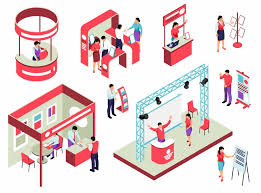
For event organizers, planners, agencies and brands, tech-driven activation solutions offer powerful advantages, such as:
- Higher footfall at booths and installations, hyped crowds, constant energy and responsive audiences
- Increased attendee interaction and satisfaction with personalized experiences
- Real-time data capture in the form of leads, user preferences, feedback, etc., to optimize experiences live and measure ROI effectively
- Stronger post-event engagement and ready-made, accessible event archives through shareable content that amasses digital buzz.
How can experiential technology be harnessed for activation?
Event tech-driven experiential strategies refer to the use of AI-powered photobooths, interactive display walls and event gamification tools to create immersive experiences to engage audiences meaningfully. Unlike traditional setups, smart experiential tech helps activations:
- Draw active participation instead of just passive viewing
- Bridge physical and digital formats in one seamless experience
- Capture data and enhance shareability while forging unique memories.
As markets evolve, brands are upgrading themselves technologically to create moments that people would be inclined to share and revisit. Here are some of the most impactful experiential technology solutions by Quenth for modern activations:
- AI-powered, personalised booth experiences: Themed transformations, AI avatars, popular trend recreations are just some ways AI-enhanced photo and videobooths are rewriting the script of audience engagement. They are designed for easy brand integration and are endlessly versatile and scalable, presenting a wealth of choices and hyper-personalisation. They create easily shareable, virtually accessible, branded takeaways with a high degree of user-generated content.
Read also: The Global Photobooth Industry Shift: Why AI & SaaS Platforms are The Future
- AI assistants as virtual event companions: AI bots and virtual assistants help navigate events, spaces and content to tailor them as per the audience’s preferences and unique requirements. High responsiveness, quick resolution, personalised recommendations, and smart data collection optimize activations with greater value for all involved.
- Interactive event gamification and crowdplay: Branded digital and touchscreen games, AR & VR experiences, crowdplay activities such as live quizzes and polls are excellent ways to guarantee crowd participation and enhance attendees’ dwell time. Effective event gamification maintains optimal energy levels and automates engagement, acts as a crowd-puller in itself and leads to a surge in shareable and memorable moments through live leaderboards and gamified reward systems.
- Live engagement walls for focal activity zones: Interactive displays and installations come in many shapes and sizes. From LED floors to projection mapping, this is a world of endless possibilities for designing immersive experiences. However, digital event walls are in a league of their own as they present tailored engagement routes with brandable content, scalable design, built-in lead capture and virtual access. Digital photo mosaic walls, digital slingshot, feedback and memory walls optimize community engagement while creating a high-impact visual experience.
Read also: Interactive Walls for Events: 10 Exciting Ideas to Shoot Up Engagement
- Smart data capture and experience curation: Digital registration platforms, centralized dashboards, QR integration, social walls, etc., are just some of the myriad ways event tech arms you with real-time, actionable insights. Furthermore, AI-driven personalization engines utilize the collected information to create unique experiences.
Conclusion
Event-tech powered brand activation is redefining how businesses and brands connect with their audiences and find a voice. And it’s more than just about catapulting visibility. It’s about giving people experiences they want to share, remember and talk about. As technology and markets continue to evolve side-by-side, the brands who triumph the deluge of digital shifts are the ones who harness event technology’s boon of data and personalised interaction with thoughtful creativity.
FAQs regarding event tech-powered brand activation
What is the purpose of brand activation?
The primary goal of activations is to create stand-out interactive experiences for targeted audiences that help build emotional connections and memorable engagmeent.
How does event tech enhance experiential marketing?
Event tech-powered activations facilitate greater personalisation, improved performance tracking with real-time actionable data, immsetive brand storytelling and instant sharing.
Which type of events benefit from tech-driven activations?
Corporate galas, product launches, trade fairs, exhibitions, festivals and retail activations most commonly leverage experiential technology.
How is the success of such events measured?
Event tech tools can easily help with ROI assessment and live performance tracking through overall engagement rates, individual dwell time, collected leads, social shares, etc.